
French and Raven’s five forms of persuasive power provide the framework for understanding how championship coaches influence the people around them. The terminology sounds more academic than the ideas themselves: legitimate power is authority people accept, coercive power comes from consequences, reward power gives people something worth pursuing, expert power comes from trusted knowledge and referent power grows from respect, identification and personal connection.
Football gives each one a clear setting. A head coach has authority. Players can face consequences. Winning offers a reward. Knowledge creates credibility. Relationships create loyalty and trust.
The same forces appear everywhere else people try to lead, motivate or influence one another.
1. Authority: Know When the Decision Is Yours
One of the clearest patterns among championship-winning coaches is the power attached to responsibility. French and Raven call this legitimate power: the influence someone has when everyone understands the decision ultimately belongs to that person. In football, the head coach owns the direction of the program.
Pete Carroll described the head coach as the person responsible for establishing the team’s vision and philosophy. Authority carries responsibility for deciding what the group is trying to become, which principles will guide it and where it is going.
Bill Walsh approached leadership with an unusually open structure. He encouraged communication, disagreement and freedom of expression throughout his organization. Players and assistants could challenge his ideas. Eventually, however, discussion had to end.
“Leaders are made to make a decision.”
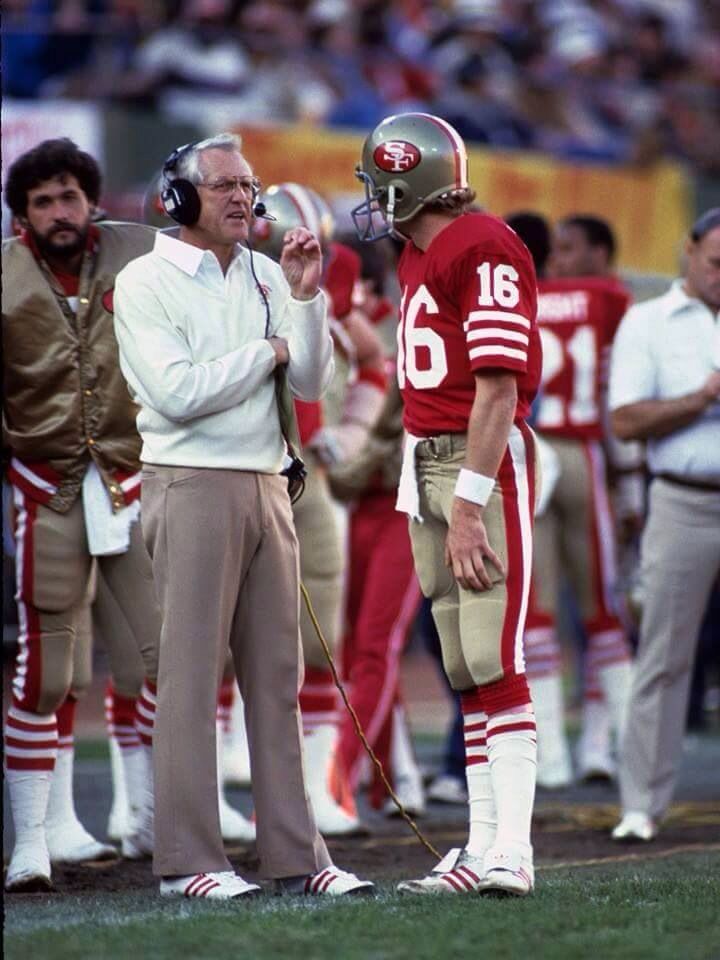
Walsh judged the final decision by a simple standard: what makes the team better? Once the information had been considered and the decision had been made, everyone moved forward.
The same principle applies far beyond football.
Businesses, families, projects and teams all reach moments when additional discussion stops adding value. More opinions can create the appearance of progress while delaying the decision someone already has responsibility for making.
Good leadership requires knowing when this point has arrived.
The person responsible can still listen, reconsider and invite disagreement. Those habits improve decisions. Responsibility remains with the person responsible for the outcome.
Walsh also connected authority to a purpose larger than personal preference. The standard was improving the team. A similar filter can guide ordinary decisions.
What improves the family?
What improves the business?
What moves the project forward?
What choice follows the principles already established?

Championship coaches reinforced their authority through clear philosophy and consistent core values. Players understood what the program stood for, giving context to decisions made by the head coach.
A clear philosophy reduces arbitrary decision-making. It gives people a framework for understanding why one path was chosen over another.
Leadership eventually requires a call.
Listen. Gather the information. Know the principles guiding the decision.
Then make it.
2. Fear: Use Consequences, Not Terror
Coercive power is influence created by the possibility of a negative consequence. Someone changes behavior because they know what happens if they do not.
Of the five forms of power studied, championship coaches relied on coercion the least.
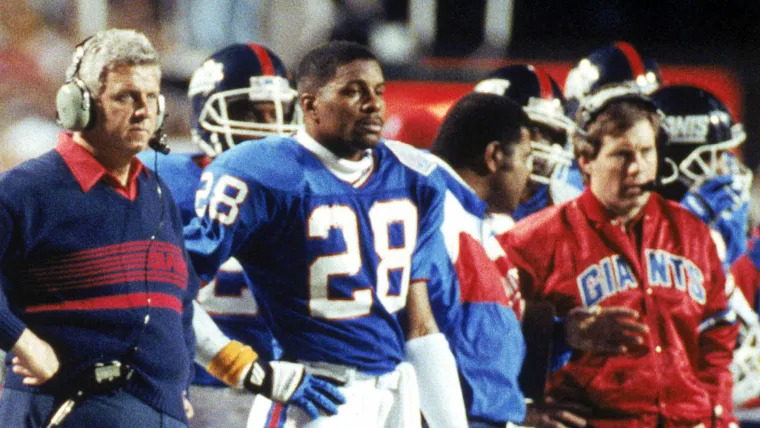
Bill Parcells offered one of the clearest examples of where coercion and accountability meet. His approach centered on telling players exactly what they were doing wrong and making the consequences of refusing to improve clear.
“The only way to change people is to tell them in the clearest possible terms what they're doing wrong.”
There is value in knowing where the line is.
Standards without consequences eventually become suggestions. If poor effort, dishonesty, missed commitments or repeated mistakes never change anything, people learn the stated standard carries little weight.
Parcells did not need fear to be the entire system. His approach leaned heavily on honesty and accountability. Players knew what was expected, knew when they were falling short and knew continued refusal to contribute could cost them their place on the team.
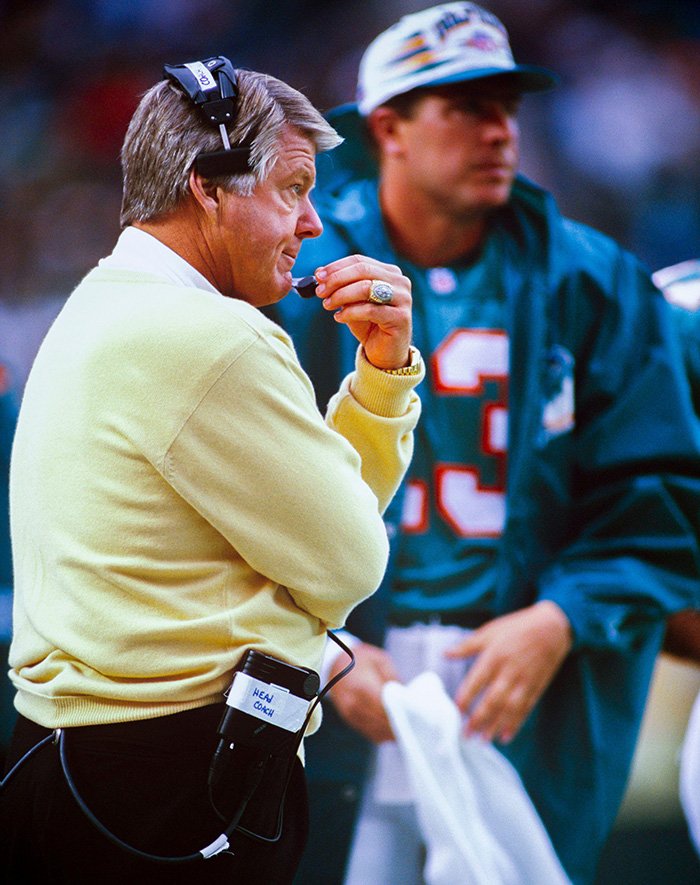
Jimmy Johnson went further. He openly used fear and insecurity to push players, believing even talented athletes sometimes needed outside pressure to perform.
“Sometimes fear is needed, though, to send a proper message. The thing about fear, if it doesn’t work, a team can turn on you.”
Fear can produce behavior. It can make someone show up earlier, work harder or avoid a mistake.
Its weakness is dependence.
Once fear becomes the primary source of motivation, the leader must keep supplying it. Pressure must stay high. Consequences must remain threatening. Eventually resentment can become stronger than compliance.
Everyday leadership still needs consequences. Children need boundaries. Employees need standards. Teams need accountability. Personal goals sometimes require consequences for repeated failure.
The lesson from championship coaches is not to remove pressure.
The lesson is to avoid building everything around fear.
Make the expectation clear. Make the consequence clear. Follow through when necessary.
Then move on.
3. Reward: Connect Repetition to Something Meaningful
Reward power comes from connecting behavior to something a person wants. The promise of a worthwhile outcome gives the effort a reason.
In football, the reward is rarely limited to money, trophies or recognition. Championship coaches repeatedly connected difficult daily work with something much larger: winning, becoming elite, improving as a player, pride in the team and the satisfaction of accomplishing something difficult.
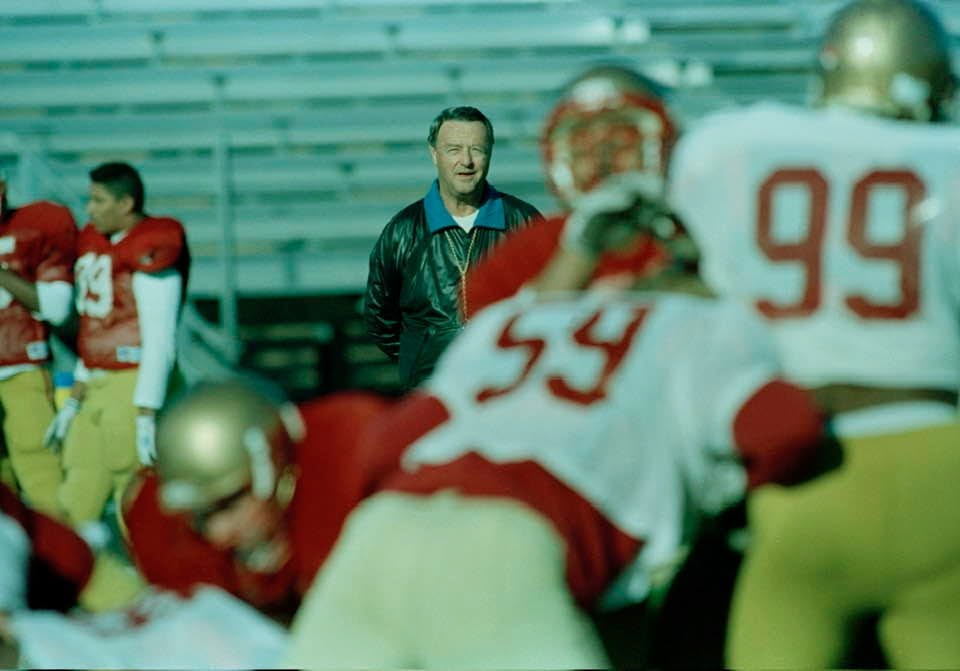
Bobby Bowden used this idea constantly.
His mat drills were physically demanding, but conditioning was only part of their purpose. Players had to perform correctly as a group. Failure could mean repeating the drill. Success created cohesion, pride and accomplishment.
The work gained meaning because it pointed somewhere.
Bowden connected practice directly to game-day performance. Players who prepared well gave themselves a better chance to perform well when the game arrived.
That connection matters because most worthwhile goals contain long stretches with no immediate payoff.
Studying for months does not feel the same as graduating. Training on an ordinary Tuesday does not feel the same as seeing months of progress. Building a business rarely provides immediate confirmation after every productive day.
Repetition becomes easier to abandon when its purpose becomes invisible.
Reward power provides a way to keep the purpose visible.
The reward can be the degree. It can be financial independence. It can be becoming stronger. It can be building a company capable of surviving without constant intervention. It can be becoming dependable enough for other people to trust.
Bowden also recognized how motivation spreads through groups.
“Sometimes the best way to motivate your employees is to get one of them excited, and let that person motivate the others.”
A motivated environment can become its own reward. Progress feels different around people who care about progress. High standards become easier to maintain when effort is normal within the group.
Not every repetition needs an immediate prize.
It needs a connection to something worth repeating it for.
4. Expertise: Become Worth Listening To
Expert power comes from knowledge, skill and demonstrated competence. People give more weight to the judgment of someone who has shown they know what they are doing.
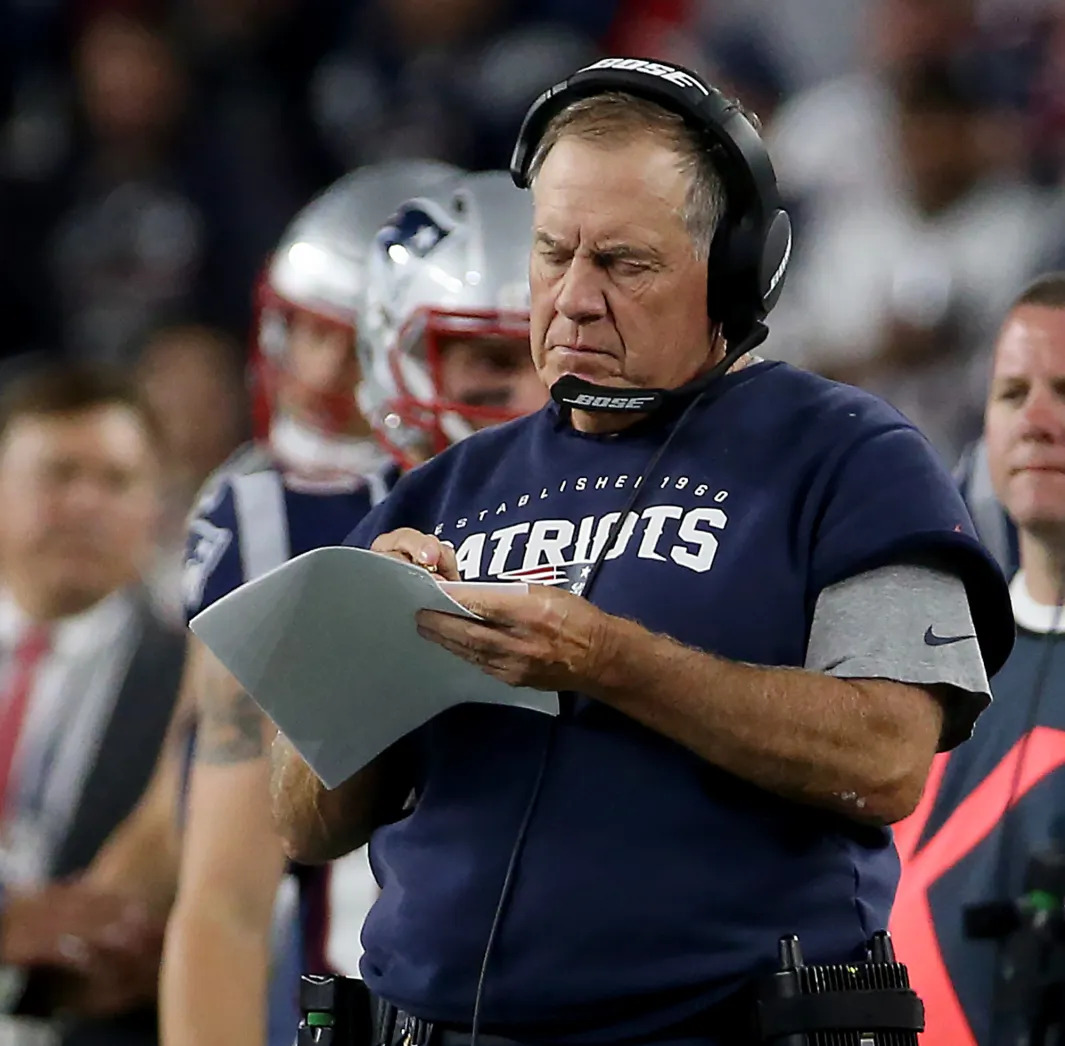
Bill Belichick provides the clearest example in the research.
His authority did not depend only on being the head coach of the New England Patriots. Players also had years of evidence showing he understood football at an extremely high level.
Preparation mattered. Opponent knowledge mattered. Details mattered. Planning for different situations mattered. Understanding the psychological state of the player mattered.
Belichick described part of his approach simply:
“Whatever success I’ve had it is because I’ve tried to understand the situation of the player. I think the coach’s duty is to avoid complicating matters.”
Deep knowledge can produce simplicity.
Someone who understands a subject poorly often struggles to identify which information matters most. Everything appears equally important. Complexity piles up.
Expertise provides the ability to separate signal from noise.
This becomes persuasive because competence reduces uncertainty for everyone else.
People are more willing to follow direction when the person giving it has prepared, understands the problem and has demonstrated sound judgment.
The same principle extends beyond leadership roles.
A title cannot substitute indefinitely for competence.
A manager who does not understand the operation eventually loses credibility. A business owner who refuses to understand the industry becomes dependent on other people’s judgment. Someone giving advice without knowledge eventually becomes easy to ignore.
Expert power has to be built.
Read. Practice. Study the details. Learn from mistakes. Stay curious enough to keep improving after reaching competence.
Then learn how to simplify what has been learned.
Knowledge becomes most useful when it helps someone make a better decision, understand a complicated situation or perform with greater confidence.
Becoming worth listening to takes longer than asking people to listen.
5. Relationship: The Strongest Power Is Earned Connection
Referent power grows from identification, respect, trust, shared values and personal connection. It is the influence someone earns when people respect who they are, feel connected to them or want to identify with what they represent.
It emerged as the most significant form of persuasive power among the championship coaches studied.
Nick Saban provides one of the clearest explanations for why.
“Everyone’s motivations are different.”
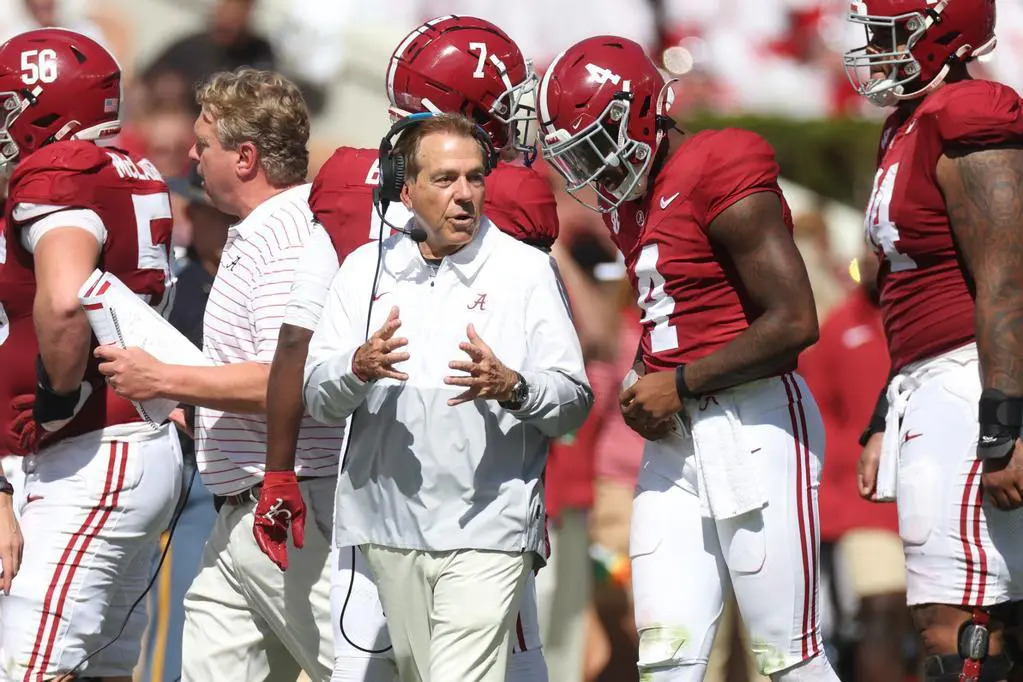
A football roster can contain more than one hundred players. They share a uniform and a goal, but they do not share identical personalities, fears, ambitions or reasons for playing.
Saban adjusted his approach accordingly.
A message capable of motivating one player might have little effect on another. Effective leadership required understanding the individual well enough to know which message could reach him.
Referent power extends beyond the relationship between coach and player.
Urban Meyer emphasized small-unit cohesion, ownership, elite performers and positive peer pressure. A player could influence another player because people take cues from groups they respect and want to belong to.
Bill Walsh emphasized respect and shared commitment.
Belichick sought to instill confidence rather than increase anxiety.
Across different personalities and coaching styles, the common thread was connection.
People are influenced by people they trust.
They are influenced by people they respect.
They are influenced by groups whose membership means something to them.
This form of power cannot be demanded through a title or created instantly through a reward.
It accumulates.
Someone remembers who kept a promise. Someone notices who stayed calm during a difficult situation. Someone recognizes who listened before giving advice. Someone sees who applies the same standards to himself.
Over time, those experiences determine how much weight a person’s words carry.
The strongest form of influence found among championship coaches was not punishment or formal authority.
It was the kind of connection people voluntarily choose to follow.